A compelling online presence is crucial for every organisation, and charities and not-for-profits (NFPs) are no exception.
A well-designed website is not just a digital brochure but a platform that can significantly amplify the impact of your cause.
However, the process of creating a successful charity website involves careful planning and execution in the website design and development stage and should form part of a larger digital strategy for NFPs.
In this article, we’ll delve into charity and nonprofit web design project management tips so you can deliver a website that resonates with your audience now and for years to come.
Importance of Web Design for Charities and NFPs
The role of technology in NFPs has increased over time.
Subsequently, the importance of web design for charities and NFPs cannot be overstated. A website is often the primary tool for communication, fundraising, and community engagement organisations.
A well-designed website serves multiple critical functions that go beyond just aesthetics.
Firstly, it acts as a credibility enhancer. In the context of not for profit web design project management tips, a professional website instils trust and confidence among potential donors, volunteers, and beneficiaries. It reflects the seriousness and legitimacy of your organisation and its cause.
Secondly, a well-designed website enhances user engagement. It provides a platform for communities to interact, share stories, and participate in discussions. This engagement is vital for building a loyal supporter base and fostering a sense of community around your cause.
A website is a powerful storytelling tool. Chances are, you’ll have stories that can inspire action. A well-designed website can effectively narrate these stories, showcase the impact of the organisation, and connect emotionally with the audience. This emotional connection is crucial in converting visitors into supporters.
On a related note, a website is an essential tool for fundraising. It provides a platform for secure, hassle-free donations. An intuitive and user-friendly design encourages visitors to take action, whether it’s making a donation, signing up for a newsletter, or registering as a volunteer.
A study by Nonprofits Source found that 25% of donors complete their donations on mobile devices. This statistic underscores the importance of having a mobile-responsive website design for charities and NFPs to facilitate donations. Source: Nonprofits Source, Online Giving Statistics
Finally, in the realm of creating a successful charity website, SEO plays a pivotal role. A website that is optimised for search engines increases the visibility of your cause, reaching a wider audience and potentially attracting more support.
Web Design Project Tips for Charities and NFPs
Here are some essential website redesign strategies and tips to ensure the success of your not for profit or charity website design project.
Set Clear Objectives
Before embarking on the project, it’s vital to have clear objectives. What do you want to achieve with your new website?
Setting clear objectives is more than just a preliminary step; it's about aligning your website's purpose with your organisation's broader goals.
Are you looking to increase donations, recruit volunteers, or simply raise awareness about your cause?
Start by conducting a thorough needs assessment to understand your target audience. Engage with various stakeholders – from board members to volunteers – to understand what they expect from the website.
Are you aiming to increase online donations by a certain percentage? Do you want to grow your volunteer base or improve engagement with your current supporters? Perhaps, your goal is to enhance brand awareness or provide better resources for those you serve.
Once you have gathered this information, distil it into specific, measurable, achievable, relevant, and time-bound (SMART) objectives will guide your design and functionality decisions, ensuring that your website meets your organisational goals.
For instance, instead of a vague objective like "increased awareness," aim for something more tangible, such as "grow monthly website visitors by 20% within six months post-launch." These specific targets will guide the design process and provide a clear metric for success.
Choose the Right Web Design Partner
Choosing the right web design partner is crucial and involves several considerations. Firstly, look for a partner with a proven track record in the nonprofit sector. They should understand the nuances of charity work and the importance of conveying your message effectively.
When evaluating potential partners, don’t just focus on aesthetics; delve into how their designs have helped other NFPs achieve their objectives.
Ask for case studies or references. It’s also important to assess their approach to user experience (UX) and accessibility, ensuring that your website will be inclusive and user-friendly for all audiences.
Additionally, consider their communication style and project management approach. A good partner should be collaborative, flexible, and responsive to your needs. They should be willing to listen and incorporate your feedback while also bringing their expertise to the table.
Create a User-Friendly and Engaging Website
Creating a user-friendly and engaging website goes beyond aesthetic appeal; it's about crafting an experience that resonates with your audience.
Understanding users
Start your not for profit and charity website redesign project by understanding your audience's needs and preferences. This can be achieved through surveys, user testing, and analysing existing engagement data. The design should be intuitive, making it easy for users to navigate and find the information they are looking for.
Content
Content is king in engaging your audience. Use compelling storytelling to showcase the impact of your work. This could be through success stories, testimonials, or impact reports. High-quality images and videos can also significantly enhance engagement. Remember to keep your content concise, relevant, and updated regularly.
Accessibility
Accessibility is another crucial factor. Ensure that your website is accessible to people with disabilities. This includes using alt text for images, ensuring keyboard navigability, and providing transcripts for videos. An accessible website not only broadens your reach but also demonstrates your commitment to inclusivity.
Navigation
Clear navigation is paramount in this process. A well-structured menu, logical page hierarchy, and easy-to-find search functionality can significantly enhance the user experience. Users should be able to navigate your site without confusion or frustration.
Mobile-friendliness
Equally important is ensuring your website is mobile-friendly. With a growing number of users accessing websites via mobile devices, a responsive design that adapts to various screen sizes is essential. This not only improves accessibility but also contributes to better search engine rankings.
Visual appeal
The visual appeal of your website cannot be overlooked. A visually appealing design with a harmonious color scheme, high-quality graphics, and thoughtful layout can make a lasting impression on visitors. However, it's crucial that this visual appeal does not compromise the site's usability or performance.
Easy to donate page
If your website includes a donation aspect, the donation form must be easy to use. A complicated or time-consuming donation process can deter potential donors. Ensure that the form is simple, secure, and requires minimal steps to complete a donation.
Manage Your Project Effectively
Effective project management is a cornerstone in ensuring the timely and successful completion of your website project. It involves several key components:
Project Goals
Clearly define what you want to achieve with your website. These goals should align with your organisation's broader objectives and be specific, measurable, achievable, relevant, and time-bound (SMART). Having well-defined goals will guide the project's direction and help in measuring its success post-launch.
Project Timeline and Budget
Develop a realistic timeline and budget for your project. This includes setting milestones for key phases such as design, development, content creation, testing, and launch. Ensure that your budget accounts for all aspects of the project, including design, development, content, and any unforeseen expenses. Regularly track your progress against the timeline and budget to ensure the project stays on course.
Regular Communication with Stakeholders
Establish a communication plan that outlines how often you will meet with your design team and stakeholders, who the main points of contact are, and how updates will be communicated. Regular communication is vital to ensure everyone is on the same page and to make collaborative decisions. It also helps in addressing any concerns or changes in a timely manner.
Flexibility in Project Requirements
While it’s important to have a clear vision, being flexible with project requirements can be beneficial. As the project progresses, you might find certain aspects need to be adjusted due to technical constraints, user feedback, or changes in organisational priorities. Being adaptable will help in navigating these changes without significantly derailing the project.
Test Website Thoroughly
Before launching, thoroughly test your website across different devices and browsers to ensure functionality and responsiveness. Pay close attention to user experience, loading times, and compatibility issues. It’s also crucial to test all features, including forms, links, and interactive elements. This phase is critical in identifying and fixing any issues before your website goes live.
Test and Launch Your Website
The final stages of your website project are critical and involve several key steps to ensure a successful launch:
Comprehensive Testing
Before the launch, it's essential to conduct thorough testing to ensure your website functions correctly and offers a good user experience. This includes usability testing to ensure the site is intuitive and easy to navigate, load time testing to ensure quick access, and responsiveness testing to guarantee the site works well across various devices and browsers. Additionally, check for broken links, typos, and grammatical errors, as these can detract from your site's professionalism and usability.
Gather and Incorporate Feedback
During the testing phase, gather feedback from a sample of your target audience. Their insights are invaluable in identifying areas that may need improvement. This feedback can provide a different perspective and highlight issues that you or your team may not have noticed.
Promote Website Launch
A successful launch is not just about making the website live but also about promoting it to your audience. Develop a launch plan that includes email announcements, social media posts, and press releases if applicable. The goal is to create buzz and anticipation around your new website.
Ensure Website is SEO Optimised
SEO (Search Engine Optimisation) is crucial for making your website visible to more people. Ensure that your website is optimised for search engines, which includes using relevant keywords, optimising meta tags, and ensuring fast loading speeds. SEO is an ongoing process, so plan for regular reviews and updates post-launch.
Monitor Traffic After Launch
After your website goes live, monitor its performance closely. Use tools like Google Analytics to track visitor behaviour, traffic sources, and engagement metrics. This data will help you understand how users are interacting with your site and where improvements can be made.
Encourage User Feedback
Post-launch, actively encourage user feedback. This can be done through feedback forms on your website, social media engagement, or direct outreach. Continuous feedback will help you make iterative improvements to your site, ensuring it remains effective and relevant to your audience’s needs.
The Benevolent Society
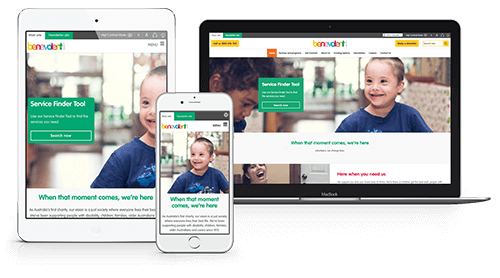
A key component of The Benevolent Society’s digital transformation strategy was to transition to a new CMS and redesign our website. The objective was to boost brand recognition and streamline the process for clients seeking information about their services. This transformation necessitated an updated aesthetic, enhanced mobile and tablet support, site structure refinement, and better reporting mechanisms.
The redesigned website is fine-tuned to support essential aspects of the customer experience, including retention, support, and new client acquisition. It not only offers standard details about their services and programs but also includes tools designed to aid both potential and existing clients, along with their families, in identifying available services:
The Service Finder Tool, developed with Elcom’s ready-made taxonomy and dynamic widgets, allows users to swiftly locate services by filtering options like client age, type of service, and funding alternatives.
The Service Location Checker, a bespoke solution crafted by the Elcom team, enables users to search for a specific service and verify its availability in a given postcode.
With a focus on adhering to web accessibility standards and providing a Service Finder tool for a tailored view of available services, the website is meticulously crafted to ensure a smooth and intuitive experience for various user groups.
Want some more inspiration? Check out our blog post on A Look at Successful Website Design Examples and Website Design Trends.
Conclusion
The journey of creating a successful website for charities and NFPs is multifaceted and requires careful planning, execution, and ongoing management. The not for profit and charity web design project management tips and considerations outlined here are designed to guide you through this process, ensuring that your website effectively represents your cause and engages your audience.
Remember, your website is more than just a digital space. It's the online embodiment of your mission and values, a tool for storytelling, community building, and a catalyst for action. By focusing on user experience, storytelling, functionality, and technical excellence, you can create a website that not only looks great but also makes a real difference in advancing your cause.
In the ever-evolving digital landscape, staying abreast of the latest trends and best practices in web design is crucial. Continuously evaluating and improving your website ensures that it remains an effective tool for your organisation. With the right approach and execution, your charity or NFP website can become a powerful asset in achieving your mission and making a positive impact in the world.